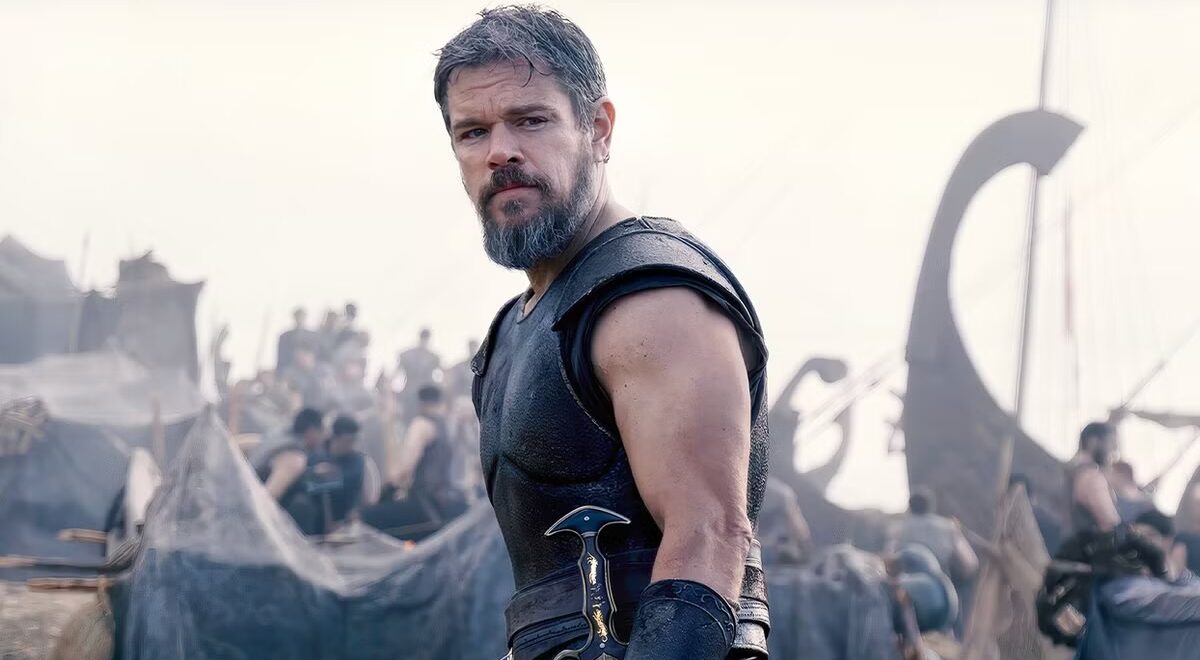

Christopher Nolan filmed the Greek scenes of The Odyssey in Messinia, in the southwestern Peloponnese—and every one of those places is real and open to visit. The main sites cluster around Pylos: Voidokilia Beach, Nestor’s Cave, Almyrolakka Beach, and Methoni Castle. The closest airport is Kalamata (KLX), about an hour by road; Athens is roughly three and a half hours away by car.
I’ll be honest with you: when I first heard Nolan was shooting The Odyssey around Voidokilia, my second thought (right after “Finally, Homer done properly”) was “There goes my secret beach.” That omega-shaped cove in Messinia was one of those places you mention to friends while quietly hoping they forget the name. Now the film has opened—it took in more than $264 million worldwide on its opening weekend, the biggest of Nolan’s career—and everyone is asking the same two questions: Where exactly did they film the movie, and how do I get there? Here’s the full, practical answer.
Where did Christopher Nolan film The Odyssey in Greece?
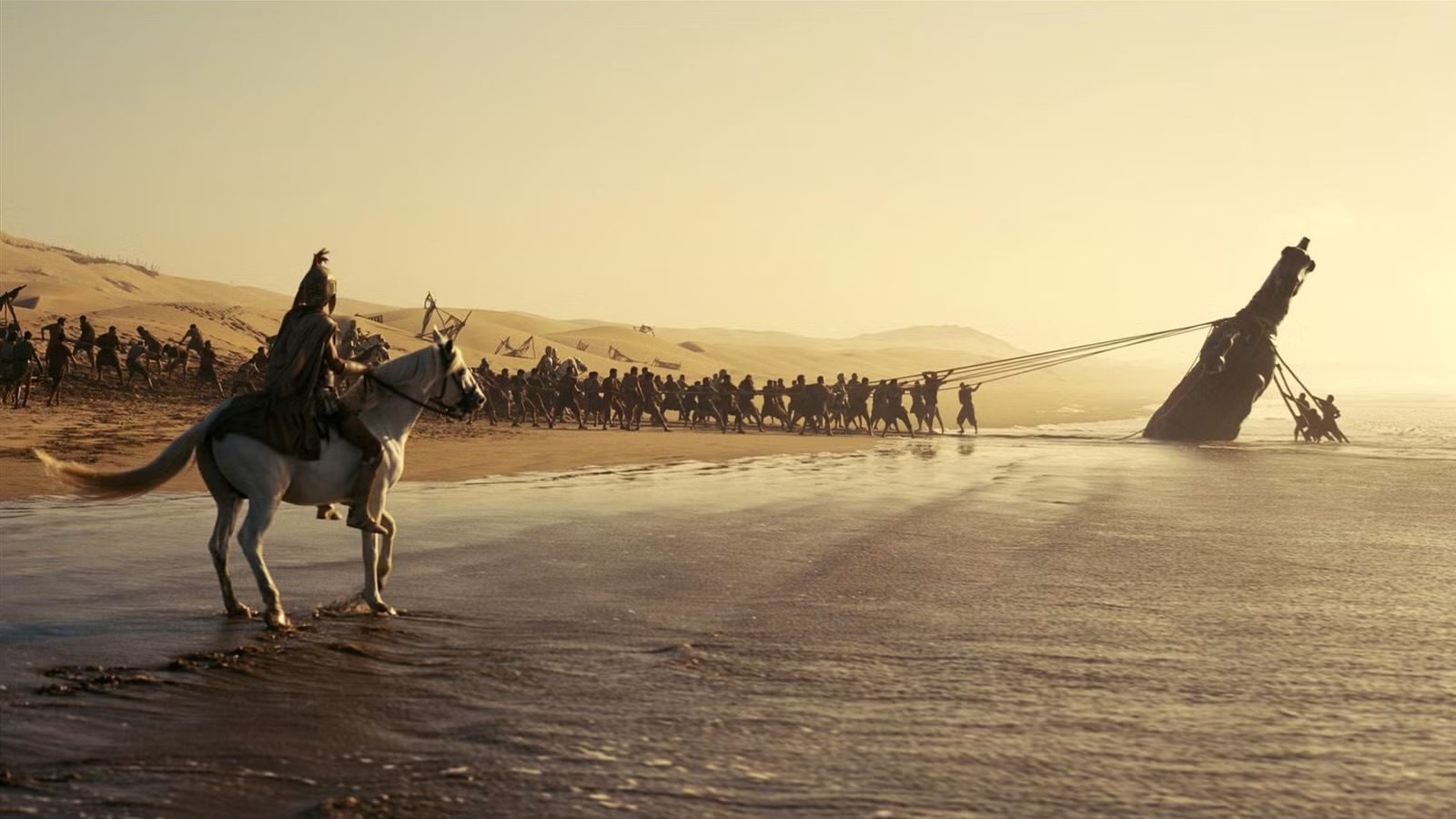
Nolan shot the Greek portion of The Odyssey in Messinia, a relatively under-touristed corner of the southwestern Peloponnese, over roughly three weeks in March 2025. The Greek Film Commission publicly confirmed five locations: Nestor’s Cave, Voidokilia Beach, Almyrolakka Beach, Methoni Castle, and the hilltop fortress of Acrocorinth further north near Corinth.
The choice makes sense once you know the poem. After the Trojan War, Odysseus’s son Telemachus sails to Pylos to seek news of his missing father from King Nestor—and that stretch of the story belongs to exactly this coast. Rather than recreate ancient Greece on a soundstage, Nolan shot on location (The Odyssey is the first feature filmed entirely on IMAX film cameras, with cinematographer Hoyte van Hoytema), which is why the places you see on screen are places you can actually stand on. Everything you’ll want to visit sits within about 30 kilometers of Pylos, which makes the region easy to cover from a single base.
Which scenes were filmed at each location?
Here’s what was shot where and what you’ll recognize on screen:
Acrocorinth — the citadel near Corinth, filmed as a Bronze Age fortress and a natural stop on the drive down from Athens.
Voidokilia Beach—the near-perfect horseshoe bay where Odysseus meets the goddess Athena. Its natural amphitheater shape is the single most recognizable image from the trailers.
Nestor’s Cave — the grotto in the cliffs above Voidokilia, used as the lair of the Cyclops Polyphemus.
Almyrolakka Beach—the quieter stretch of sand beside Voidokilia in Gialova, an easy add-on that few visitors realize was also a location.
Methoni Castle—the Venetian sea fortress south of Pylos, whose harbor walls and Bourtzi tower stand in for an ancient stronghold.
Pylos harbor—the Navarino-coast town that served as the production’s base, where the reconstructed triremes were filmed on the water.

How do you visit Voidokilia Beach?
Voidokilia is freely accessible and open all year, reached by a short footpath from the car park near the village of Petrochori, about 15 kilometers (25 minutes) north of Pylos. It’s a protected Natura 2000 site, which means no beach bars, no sunbeds, and no shade—you bring what you need and take it all back out with you.
What makes it special isn’t only the shape. It’s the sense of enclosure: fine sand curled into an almost complete circle, calm, clear water, and hills rising steeply on three sides. Behind it lies the Gialova Lagoon, one of the more important wetlands in Europe and a birdwatching site in its own right. The name means “ox belly” in Greek, after that rounded curve, and the bay has been tied to Homer’s world since antiquity, long before Nolan arrived. Bring water, sun protection, and sturdy shoes, and if you’re near the lagoon at dusk, insect repellent.
Where is Nestor’s Cave, and can you hike to it?
Nestor’s Cave sits on the headland at the northern end of Voidokilia, reached by a signed footpath—a short but steep, unshaded climb of about 15 to 20 minutes, rewarded with wide views back over the bay. In the film it stands in for the Cyclops’ cave; in mythology it’s linked to Nestor and to Hermes, who is said to have hidden Apollo’s cattle here.
It’s a natural, unstaffed archaeological site, so treat it accordingly: stay on the marked path, don’t climb on the rock formations, and wear proper footwear rather than beach sandals. The views alone justify the walk, even if you only go as far as the mouth of the cave.
Methoni Castle in The Odyssey: what you’ll see
Yes—and it’s an entirely different experience from the wild minimalism of Voidokilia. Methoni is a monumental 13th-century Venetian fortress sprawling across a peninsula about 12 kilometers (15 minutes) south of Pylos, connected to the mainland by a stone bridge and layered over centuries by Byzantines and Ottomans.
For The Odyssey, the production was drawn to the harbor-side walls and the Bourtzi—the small octagonal tower that sits out in the sea, joined to the fortress by a stone causeway—which appears in the trailer footage. You can walk the full circuit of walls and out to the Bourtzi; allow around 90 minutes to two hours. The castle keeps seasonal opening hours, so check the current schedule (and any entry fee) before you go. Late afternoon light is kindest for photos; early morning is quietest.
What else is worth seeing near the filming locations?
If you’ve come this far for Homer, make time for the Palace of Nestor, about 17 kilometers north of Pylos near the village of Chora. It wasn’t a primary filming location, but it’s the best-preserved Mycenaean palace in Greece—you can see the original floor plans and the megaron (throne room) where a king like Nestor would have received a guest like Telemachus. It dates to around 1300 BCE, and the Linear B tablets found here confirm a genuine palatial economy. The small museum in Chora displays the finds; check current hours and ticket details before visiting.
Further north, Ancient Messene is one of Greece’s most complete ancient cities and far quieter than the big-name sites—a rewarding half-day if you’re staying more than a couple of nights.
How do you get to The Odyssey filming locations?
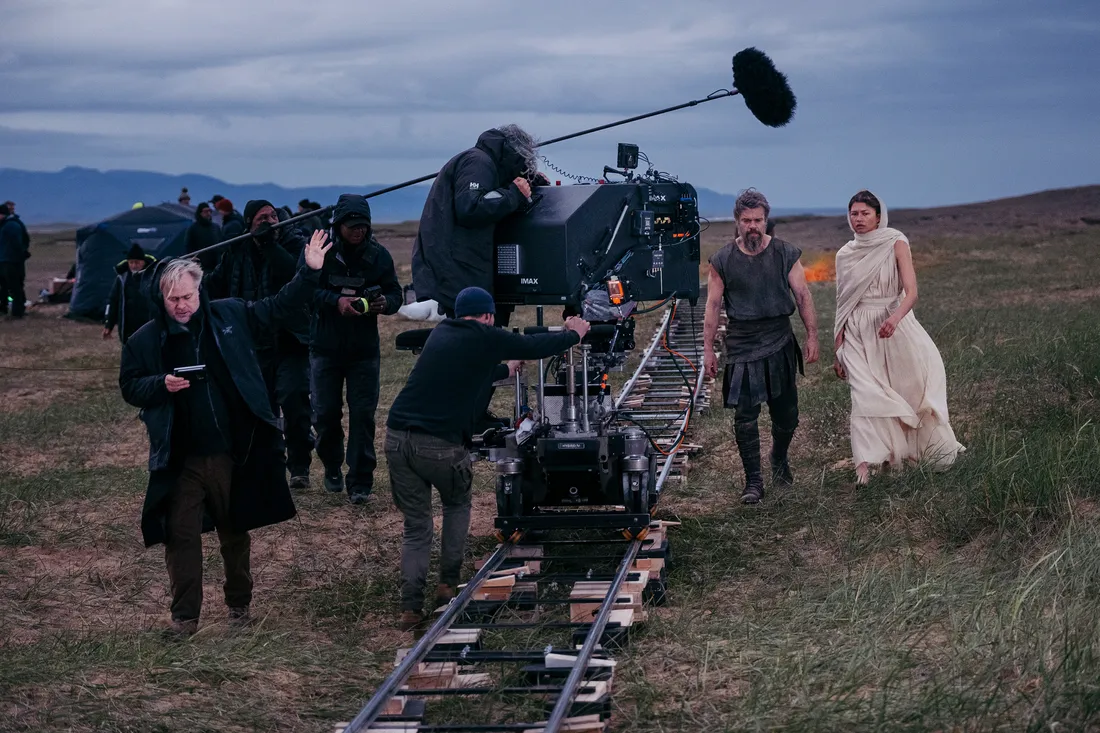
The closest airport is Kalamata International (KLX), roughly an hour’s drive from the main sites; it takes seasonal flights from across Europe in spring and summer. If there’s no convenient direct flight, most travellers fly into Athens (ATH) and either drive south or connect onward to Kalamata on a short domestic hop. Because the sites are remote and public transport doesn’t reach the beaches, a car or a private transfer is effectively necessary here.
Here are the approximate distances and drive times, so you can plan pickups and day trips at a glance:
| Route | Approx. distance | Approx. drive time |
|---|---|---|
| Kalamata Airport → Pylos | 42 km | 55 min |
| Kalamata Airport → Voidokilia Beach | 55 km | 1 hr |
| Kalamata Airport → Methoni Castle | 60 km | 1 hr 5 min |
| Pylos → Voidokilia Beach | 15 km | 25 min |
| Pylos → Methoni Castle | 12 km | 15 min |
| Athens Airport → Voidokilia Beach | 280 km | 3 hr – 3 hr 30 min |
| Athens → Acrocorinth | 90 km | 1 hr |
From Kalamata Airport. A private transfer or taxi covers the run to Pylos or Voidokilia in about an hour and drops you at the Petrochori car park. A private transfer from Kalamata means a driver meets your flight, tracks any delay, and—useful at a facilities-free beach—can wait rather than leaving you to arrange a return from a remote spot.
From Athens. You can drive south along the Olympia Odos (E65) motorway across the Corinth Canal—about 280 kilometers and three to three and a half hours—or take a private transfer from Athens if you’d rather not drive while jet-lagged. Driving has one bonus for Odyssey fans: Acrocorinth sits just off the motorway near Corinth, about an hour out of Athens, so you can tick off a filming location on the way down. The alternative is a domestic flight from Athens to Kalamata (around 45–60 minutes), then a transfer for the final stretch.
By bus, KTEL buses connect Athens to Kalamata and on to Pylos and Methoni, but the total journey runs five to six hours with changes, and no bus reaches Voidokilia itself—so you’ll still need a car or taxi for the last leg.
When is the best time to visit Messinia?
May, June, September, and early October offer warm, swimmable weather with far more room than midsummer. July and August are the liveliest months, and Voidokilia — a protected beach with naturally limited capacity — fills up around midday. If you’re traveling in peak summer, aim to arrive before 9 a.m. or after 5 p.m., when the light is better and the sand is calmer anyway.
Late September is a sweet spot: the sea is still warm, good times buzz is fresh, and the headland trail is often nearly empty. A couple of dates to note if you want quiet: Greek Orthodox Easter (usually April) and 15 August draw large domestic crowds.
Where should you stay near the filming locations?
Pylos is the most convenient base—a small harbor town within 25 minutes of Voidokilia and about 15 minutes of Methoni, with hotels and tavernas around the port. Methoni village suits anyone focused on the castle, with guesthouses steps from the entrance. For a resort stay, the Costa Navarino complex lies about 10 kilometers from Voidokilia. Kalamata, the regional capital, has the widest choice of hotels and car rentals but adds driving time to each site. Unless you need Kalamata’s airport proximity, staying in Pylos or Methoni keeps the small-town feel and cuts time on the road.
A 2–3 day Odyssey route through Messinia
You can see the core Greek locations comfortably in two to three days from a base near Pylos:
- Day 1 — Pylos. Transfer in from Kalamata (about an hour), settle in, and walk the harbor and the town’s castle with its underwater archaeology exhibits.
- Day 2 — Voidokilia & Nestor’s Cave. Go early, swim in the sheltered bay, then hike the headland to the cave and the ruins above. Add neighboring Almyrolakka in Gialova.
- Day 3 — Methoni & Ancient Messene. Explore the castle’s sea walls in the morning, then head inland to Ancient Messene.
Coming from Athens, prepend a stop at Acrocorinth on the drive south for a fuller Peloponnese loop.
Mosquitoes: The Gialova Lagoon behind Voidokilia is a wetland reserve—excellent for birdwatching and also excellent for mosquitoes. If you’re sensitive, bring repellent.
Frequently asked questions
Was Methoni Castle used in The Odyssey? 
es. Methoni Castle, the 13th-century Venetian fortress south of Pylos, appears in The Odyssey as a fortified harbour and stronghold. Its sea walls and the Bourtzi — the octagonal tower that sits out in the water, linked to the fortress by a stone causeway — feature in the film’s footage. The castle is about 12 kilometres (15 minutes) south of Pylos and open to visitors with seasonal hours, so you can walk the walls and out to the Bourtzi yourself. Allow roughly 90 minutes to two hours.
Where was The Odyssey movie filmed?
Christopher Nolan filmed The Odyssey across six countries — Greece, Italy, Morocco, Iceland, Scotland and the United States — with the ancient Greek sequences shot in Messinia, in the southwestern Peloponnese. The confirmed Greek locations are Voidokilia Beach, Nestor’s Cave, Almyrolakka Beach, Methoni Castle and the Acrocorinth fortress, with the town of Pylos serving as the production’s base. Most of the Messinia sites sit within about 30 kilometres of Pylos, which makes them easy to combine on a single trip.
Can you visit The Odyssey filming locations in Greece?
Yes. All of the confirmed Greek locations are open to the public. Voidokilia Beach, Almyrolakka Beach and the Acrocorinth fortress are freely accessible, a signed footpath leads up to Nestor’s Cave above Voidokilia, and Methoni Castle is open with seasonal hours. These are real beaches and monuments rather than built film sets, so the main thing to plan for is transport: the sites sit in a rural part of Messinia with limited public transport and no facilities on the beaches themselves.
Is Voidokilia the beach in The Odyssey?
Yes. Voidokilia, the omega-shaped bay in Messinia, is where the film stages Odysseus’s meeting with the goddess Athena, and Nestor’s Cave in the cliffs above it was used for the Cyclops sequence. The bay has been linked to Homer’s world since antiquity; its name means “ox belly” in Greek, describing the rounded curve of the sand. Because it’s a protected Natura 2000 site, it stays undeveloped, with no bars, sunbeds or shade — so bring water and sun protection.
Which airport is closest to the filming locations?
Kalamata International Airport (KLX) is the closest, about an hour by road from Voidokilia, Pylos and Methoni, and the simplest choice if you’re focusing on the Messinia sites. Athens International Airport (ATH) is the alternative when there’s no convenient direct flight: from Athens you can drive south through the Peloponnese in around three and a half hours, or take a domestic flight of roughly an hour to Kalamata and transfer from there.
Do you need a car to see the filming locations?
In practice, yes. Public buses don’t reach Voidokilia or the other beaches, and services in the area are infrequent, so a rental car or a private transfer is effectively necessary. Voidokilia is remote enough that it’s wise to arrange your return before you set off rather than hoping to find a ride afterwards. A common approach is to book a private transfer for the airport legs and use a car or a booked driver for the day trips between Pylos, Voidokilia and Methoni.
Is Methoni Castle open to visitors?
Yes. Methoni Castle is open to the public with seasonal opening hours, so it’s worth checking the current schedule and any entry fee before you go. The fortress is extensive: you can walk the full circuit of walls, cross the entrance bridge, and reach the Bourtzi, the octagonal tower that sits out in the sea. Allow around 90 minutes to two hours, and aim for early morning or late afternoon for the quietest visit and the best light.
How many days do you need?
Two to three days is enough for the core Messinia sites from a base near Pylos: a day for the town and its castle, a day for Voidokilia and Nestor’s Cave, and a day for Methoni plus nearby Ancient Messene. If you’re driving down from Athens, add half a day to include Acrocorinth on the way. Travellers who want to slow down and swim more can comfortably stretch it to four or five days.
When was The Odyssey released?
The Odyssey opened in cinemas on 17 July 2026 (with preview showings on 16 July), in IMAX and standard formats. It is Christopher Nolan’s first film since Oppenheimer (2023) and took in more than $264 million worldwide on its opening weekend.
Who stars in Christopher Nolan’s The Odyssey?
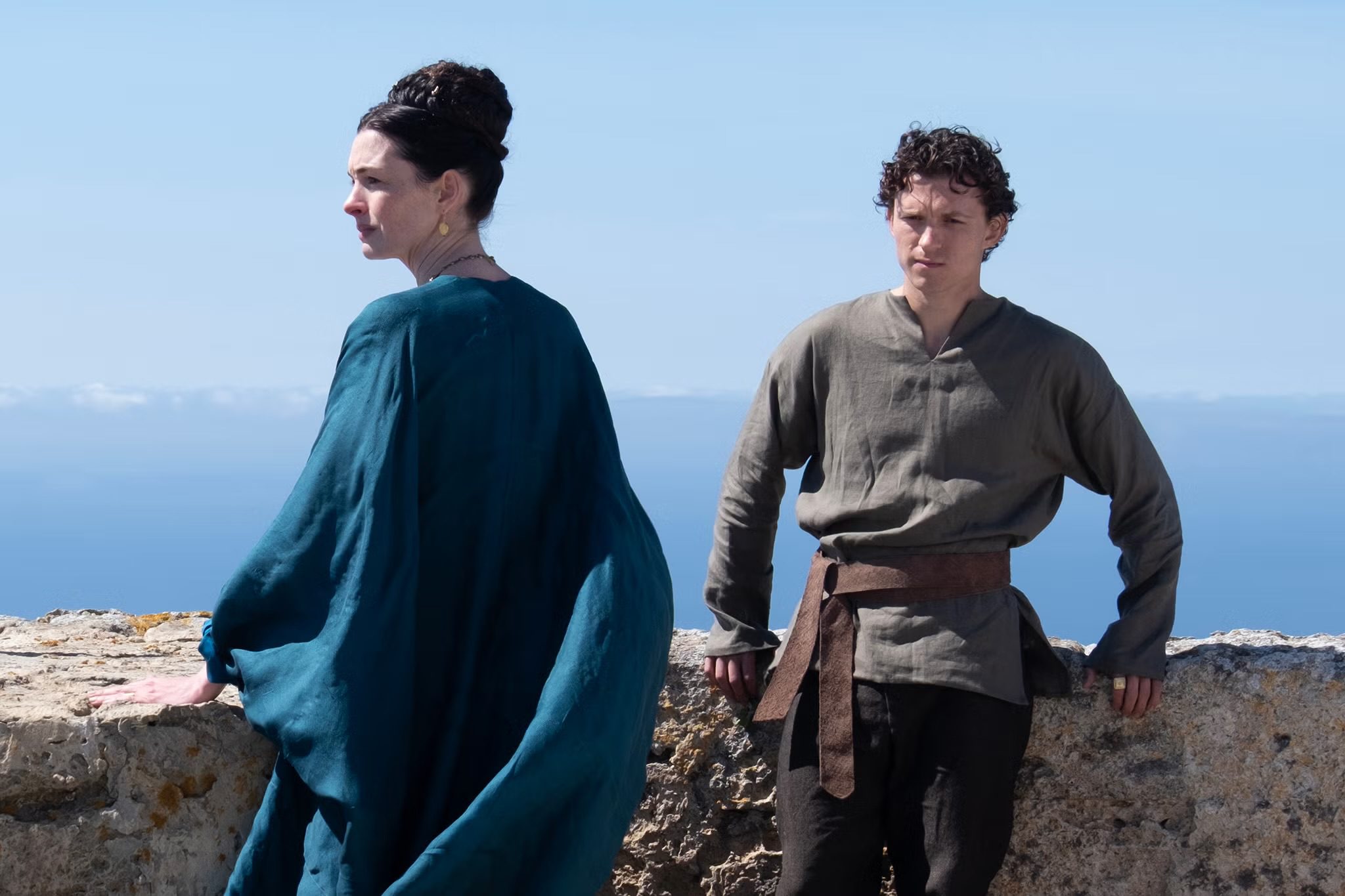
The cast is led by Matt Damon as Odysseus, Anne Hathaway as Penelope, Tom Holland as Telemachus and Zendaya as Athena, with Lupita Nyong’o, Robert Pattinson, Charlize Theron and Jon Bernthal among the ensemble. The film is Nolan’s adaptation of Homer’s epic, following Odysseus’s long journey home after the Trojan War.


