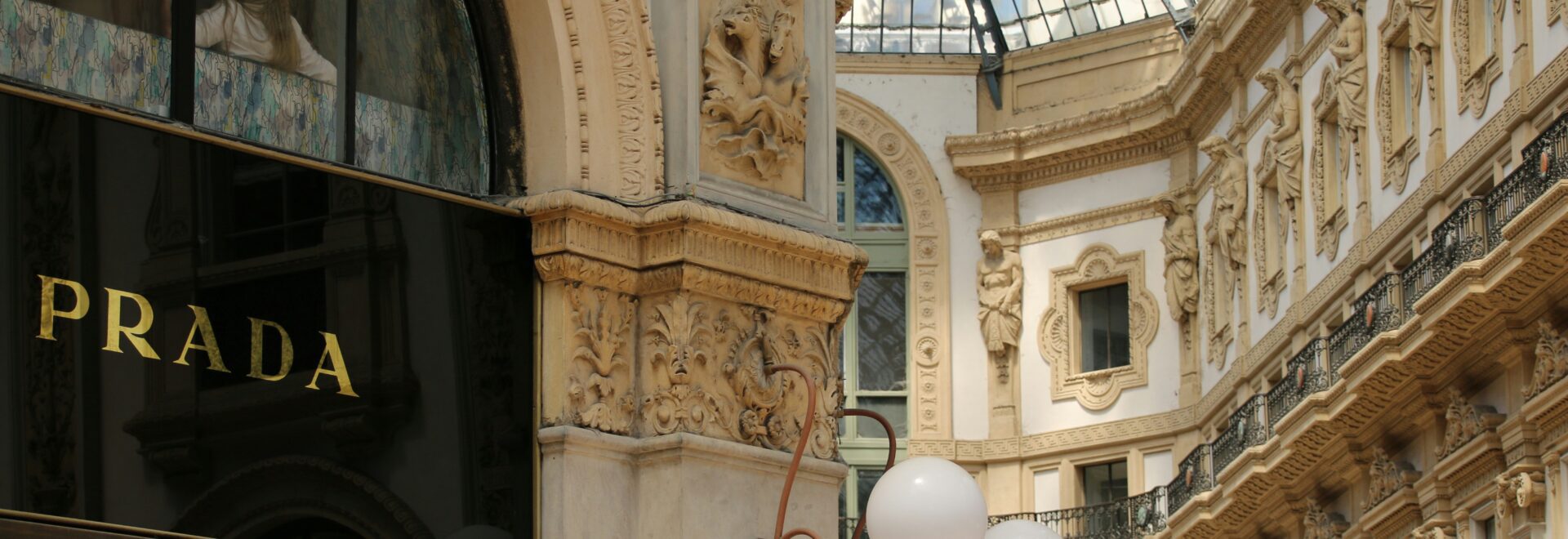

The sequel to The Devil Wears Prada has done for Milan what Emily in Paris did for the French capital. Since the trailer dropped, showing glimpses of Lake Como’s shimmering waters, the soaring spires of Milan Cathedral, and the gilded arcades of Galleria Vittorio Emanuele II, booking interest for the city has surged.
But Milan isn’t a film set. It’s a living, working city where locals grab espresso on their way to the office, where fashion insiders conduct power lunches in century-old restaurants, and where neighborhoods have rhythms that existed long before any camera crew arrived.
This guide draws on the knowledge of Welcome Pickups drivers and destination experts who navigate these streets daily. Their insights will help you experience the real Milan, not just the cinematic version, while avoiding the pitfalls that catch first-time visitors off guard.
Milan filming locations guide: key spots at a glance
Location | Best Time to Visit | Advance Booking | Key Warning |
|---|---|---|---|
| Lake Como | Early morning (before 9am) | Recommended for villa tours | Narrow roads, parking difficult |
Milan Cathedral | Weekday mornings | Essential for rooftop | Bracelet scam in square |
Galleria Vittorio Emanuele II | Late afternoon | Not required | Inflated café prices |
Pinacoteca di Brera | Tuesday–Sunday | Required (sells out) | Closed Mondays |
Lake Como guide: what to see beyond the glamorous backdrop
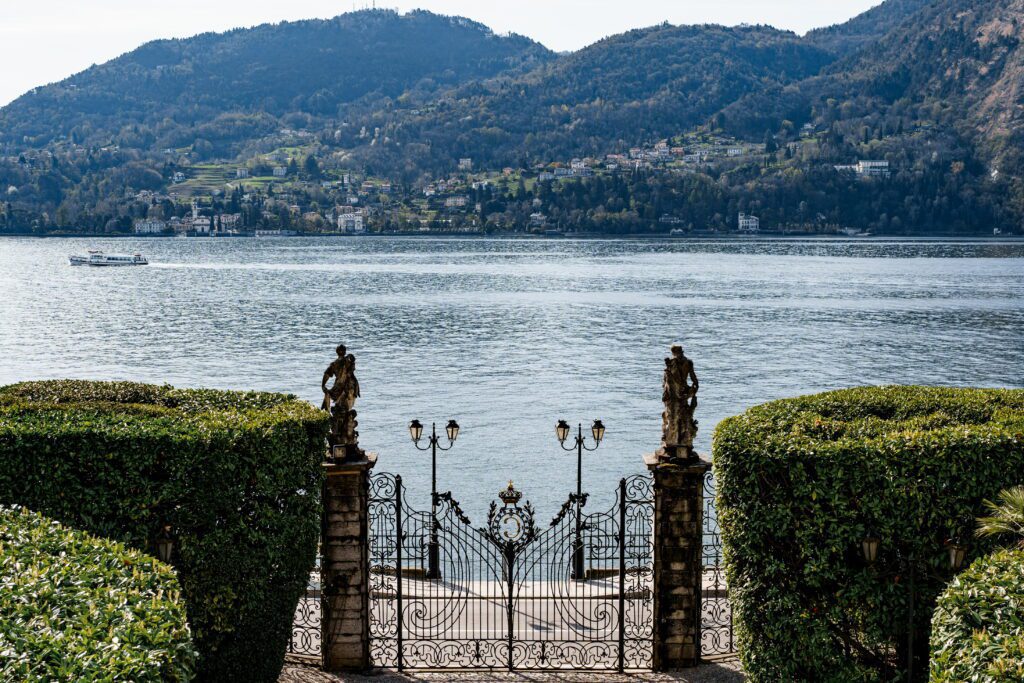
The trailer’s sweeping shots of Lake Como captured what generations of travelers have known: this is one of Europe’s most breathtaking landscapes. Steep green hillsides plunge into waters so clear they shift between sapphire and emerald depending on the light. Grand villas with manicured gardens line the shore, their pale facades reflected in the lake’s surface.
Leonardo Cirignano, a Milan-based Welcome Pickups driver, has taken countless visitors to Como over the years. His first piece of advice cuts against the Instagram-influenced instinct to arrive midday for optimal lighting.
“Explore the lakeside villas early in the morning,” he says. “Arriving early means you’ll see the gardens before it gets too busy from tour groups.”
This isn’t just about avoiding crowds. The morning light on Lake Como has a particular softness, and the gardens—designed to be experienced in tranquility—reveal details you’d miss while jostling for photo position with dozens of other visitors.
Getting there: What the films don’t show
The journey from Milan Airport to Lake Como takes roughly an hour by car, but the logistics deserve careful thought. The lakeside roads are narrow, winding, and unforgiving to drivers unfamiliar with their tight curves. Parking in popular towns like Bellagio or Varenna ranges from limited to nearly impossible during peak season.
Leonardo is direct about this challenge: “Parking and driving can be difficult due to narrow lakeside roads.”
Many visitors find that arranging a pre-booked transfer eliminates the stress entirely. Your driver handles the navigation while you watch the scenery shift from urban sprawl to alpine foothills to the lake itself.
If you’re determined to drive, arrive as early as possible—not just for the villas but also to secure parking before someone else fills the spaces. Consider basing yourself in a smaller town rather than attempting day-trip parking in Bellagio.
Milan Cathedral dress code: what to wear before you visit
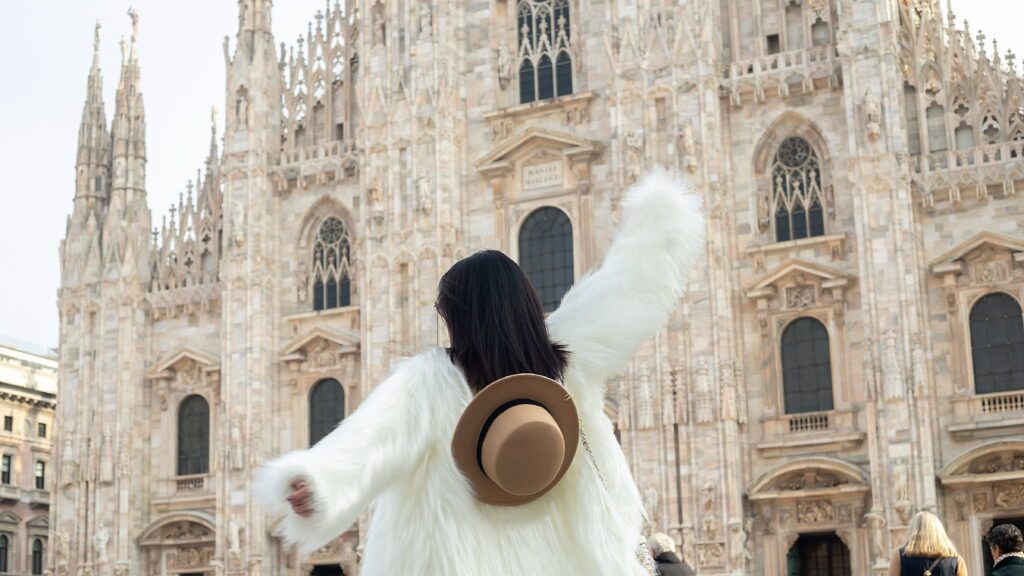
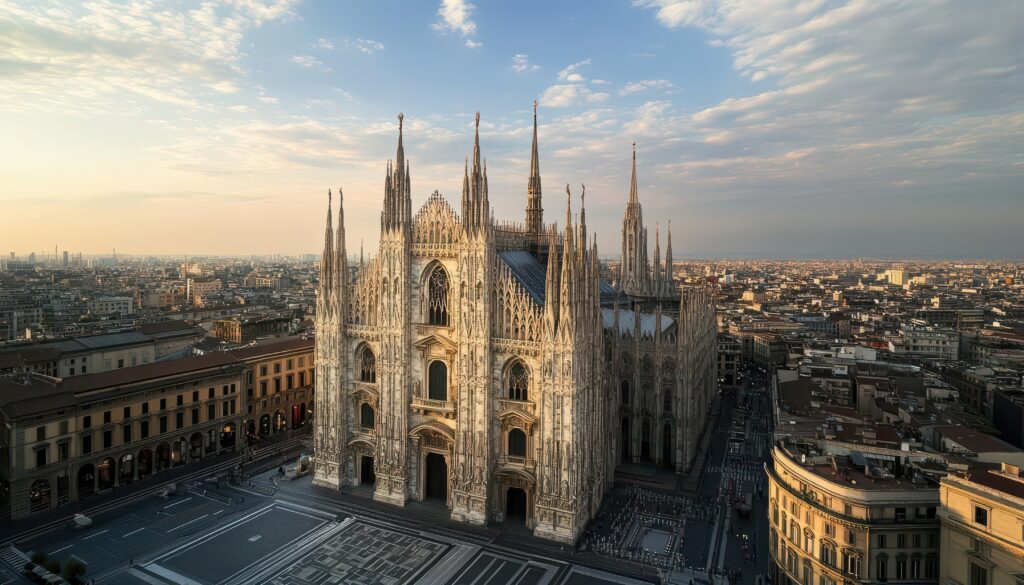
The Duomo di Milano dominates every list of Milan essentials, and for good reason. This Gothic cathedral took nearly six centuries to complete, and its forest of spires—3,400 statues and 135 gargoyles in total—creates a silhouette unlike any other building in Europe.
What the travel influencers rarely mention is that you might not get inside.
“Bring a scarf or light layer—the cathedral has a strict dress code requiring shoulders and knees to be covered,” Leonardo advises.
This consistently surprises visitors, especially during the summer months when the instinct is to dress for Milan’s heat. The dress code is enforced without exception. No scarves are sold at the door. If you’re turned away, your only option is to leave the queue, find appropriate clothing somewhere in the city center, and start over.
Best rooftop terrace in Milan most visitors miss
The cathedral interior is spectacular—acres of stained glass, towering columns, and an atmosphere of hushed reverence. But Leonardo points to an experience many visitors overlook entirely.
“The Duomo rooftop terraces are one of the underrated experiences, where you can walk among the spires. There are lift and stairs options, but the lift costs more.“
Walking among the cathedral’s Gothic pinnacles puts you at eye level with centuries of craftsmanship that’s invisible from the ground. You can trace the details of individual statues, see the city spreading out below, and understand the building’s scale in a way the interior doesn’t permit.
A crucial logistical note: “The line for the rooftop terrace is separate from the line for the Duomo interior (and often shorter early in the morning). It is recommended to book in advance.“
Common scams in Piazza del Duomo and how to avoid them
The Piazza del Duomo, the vast square surrounding the cathedral, is one of Milan’s most magnificent public spaces. It’s also where first-time visitors are most vulnerable.
Leonardo offers a specific warning: “The square itself is a notorious hotspot for the bracelet-tying scam: someone approaches, ties a ‘friendship bracelet’ on your wrist uninvited, and then aggressively demands money.”
The approach is disarmingly friendly. Someone will smile, compliment you, and perhaps say something about international friendship. Before you fully register what’s happening, they’ve knotted a cheap woven bracelet around your wrist and are demanding €10, €20, or more. Refusing becomes awkward; they may follow you, raise their voice, or work in groups to create pressure.
The solution is simple but requires resolve: do not let anyone tie anything to your wrist. A firm “no” and continued walking is all that’s needed. Don’t stop to be polite. Don’t engage in conversation. The momentary awkwardness is vastly preferable to the prolonged unpleasantness of trying to extricate yourself after the bracelet is on.
One more rule to know: “Avoid sitting or eating on the cathedral steps, as fines can apply.”
Galleria Vittorio Emanuele II: Milan’s famous “living room”
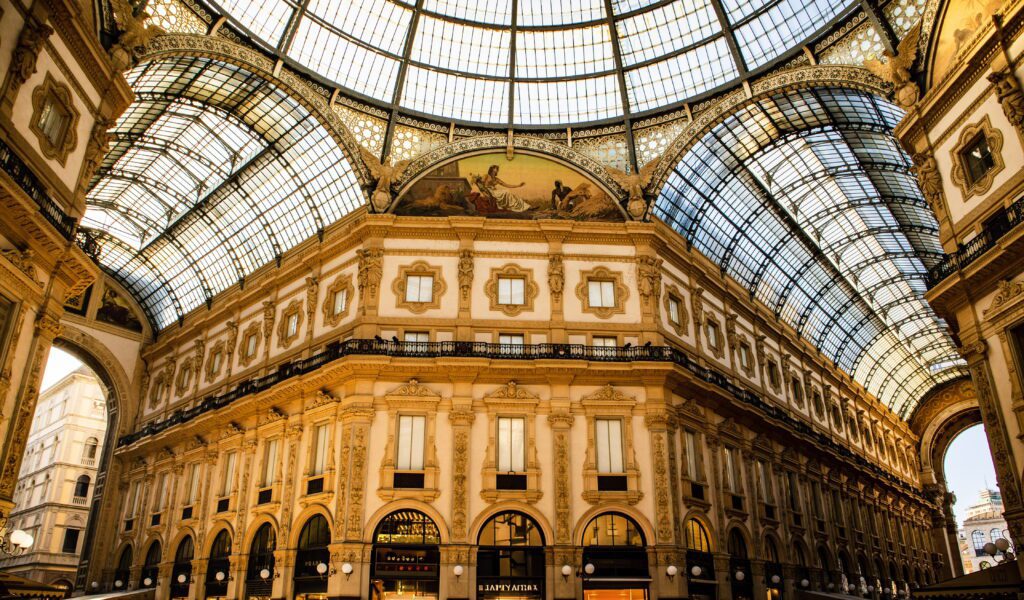
The Galleria is more than a shopping arcade—it’s a statement of 19th-century ambition made manifest in iron, glass, and marble. When it opened in 1877, it was one of the world’s first covered shopping galleries, and its soaring glass dome and mosaic floors set a template that would influence architecture from Moscow to Melbourne.
Today it houses luxury boutiques, historic cafés, and one of Milan’s most beloved local traditions.
The Bull beneath the Dome
Under the central dome, set into the ornate mosaic floor, is the image of a bull, the symbol of Turin. Local tradition holds that spinning on your heel on the bull’s, well, sensitive area brings good luck.
Watch the floor near the mosaic and you’ll see a worn depression where generations of Milanese and visitors have performed this ritual. It’s silly, it’s fun, and it connects you to over a century of people who’ve done the same thing in the same spot.
Best places to get coffee in Milan
The cafés within the Galleria are beautiful. They’re also, as Leonardo notes, “notoriously expensive.” A simple espresso can cost four or five times what you’d pay a few streets away.
If you want the experience of coffee in the Galleria, make it count. Vittorio Di Lascio, Destinations Lead (Italy) at Welcome Pickups, has a specific recommendation:
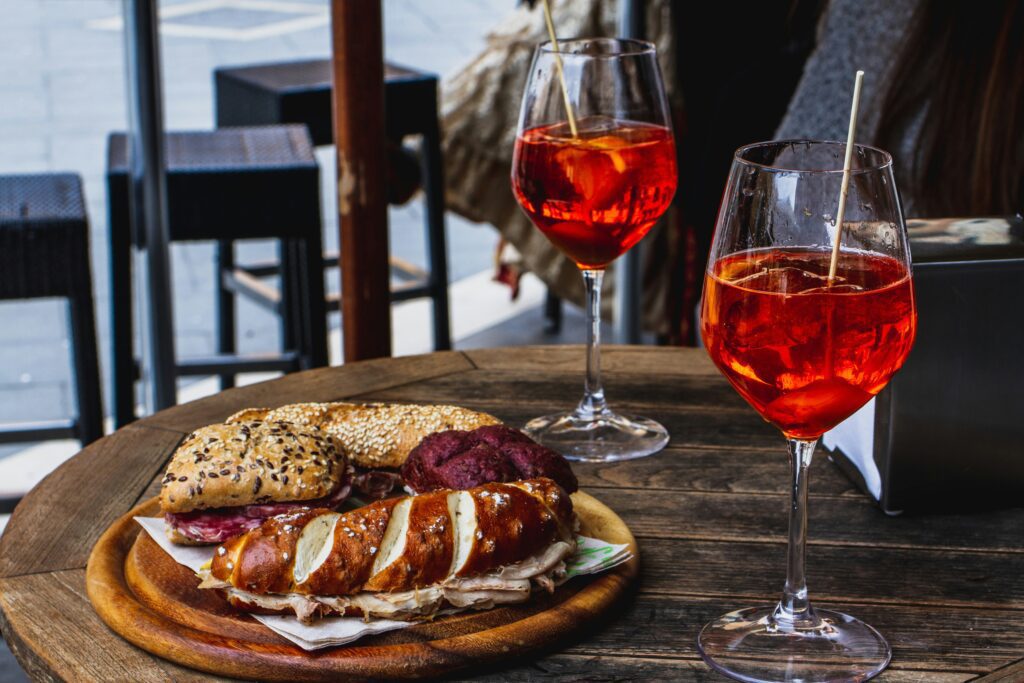
“When in Milan’s city center, you can taste a true Italian aperitivo at one of my favorite bars—Camparino, a unique place with a history of more than a century!”
Camparino has occupied its spot in the Galleria since 1915. It’s where the Campari brand effectively invented the Italian aperitivo tradition. Yes, you’ll pay a premium, but you’re buying history along with your drink.
For everyday espresso, Leonardo suggests looking beyond the arcade: “Using metro exits behind the gallery spreads crowds and avoids the busiest entrance near the Duomo. ” The streets behind the Galleria are full of bars where locals actually drink, at prices that locals actually pay.
A power lunch spot in Milan worth trying
For those seeking a special meal, Leonardo mentions, “The upstairs restaurant Savini has been there since 1867 and is where Milanese Fashion Week power lunches happen.“
Savini isn’t casual, and it isn’t cheap. But if you want to dine where Milanese fashion and business have intersected for over 150 years, this is the address.
Exploring Pinacoteca di Brera and the Brera neighborhood
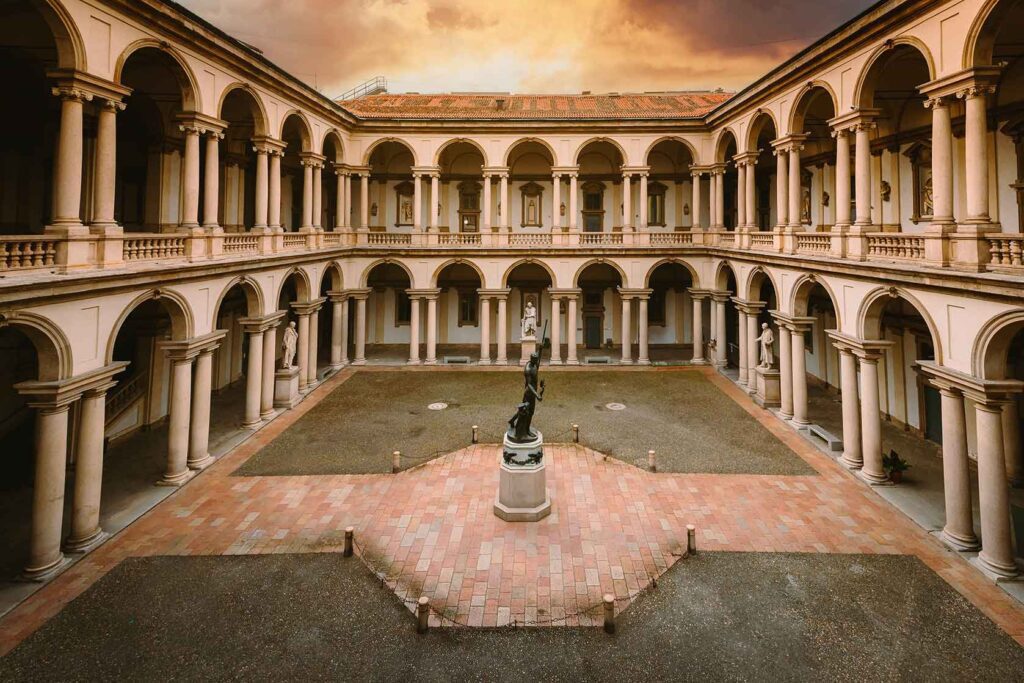
The Brera houses one of Italy’s most important art collections, including Raphael’s Marriage of the Virgin, Mantegna’s stunning Lamentation of Christ, and works by Caravaggio, Tintoretto, and Bellini. What surprises many visitors is its setting—not in an isolated museum district but woven into one of Milan’s most atmospheric neighborhoods.
Milan on Mondays: what’s open and what to do
“Many Milan museums, including Brera, are closed on Mondays, which often catches travelers out,” Leonardo warns.
This isn’t unique to Brera—it’s standard across Italian state museums—but it trips up visitors who structure their itineraries without checking. If Monday is your only free day, plan for other activities.
Booking in advance in Milan is essential: what you need to know
“Tickets can sell out during busy seasons, so booking in advance helps avoid queues.”
Leonardo adds an important caveat about what seems like a remarkable deal: “Entrance is free on the first Sunday of the month, but you still need to book a spot in advance. You can’t just turn up.”
Free Sunday admission is wonderful, but it creates exactly the crowds you’d expect. If your visit falls on a first Sunday, book the moment the calendar allows. If it doesn’t, consider that the standard ticket price includes a vastly calmer experience.
Exploring Milan beyond the museum walls
Vittorio offers a specific dining tip: “Try the spaghetti with tomato at Casa Fiori Chiari, right in front of the Pinacoteca.”
But Leonardo suggests thinking bigger than a single meal:
“The Brera district itself is worth communicating as a destination beyond the gallery. It’s one of Milan’s most atmospheric neighborhoods with independent galleries, aperitivo bars, and a very different feel from the Duomo/Galleria crowds.”
Brera was historically Milan’s bohemian quarter, home to artists and intellectuals. That character persists in its narrow streets lined with independent shops, small galleries, and bars where the aperitivo culture feels authentic rather than performed for tourists. Budget time to wander.
How to visit Milan respectfully: essential etiquette tips
Vittorio raises a point that deserves emphasis:
“As much as we love to encourage movie lovers to explore the world and visit famous filming locations, we always want to remind travelers that not all of these spots are solely tourist hubs. These locations are home to Milanese locals—they are real, lived-in neighborhoods. They’re not just backdrops from your favorite scenes but homes and communities. Treat them with the same respect you would anywhere else, rather than seeing them solely as filming spots.”
The Emily in Paris effect has complicated relationships between residents and visitors in locations worldwide. When a place becomes famous through film, the influx can bring economic benefits but also congestion, noise, and a sense that one’s home has become a theme park.
Milan’s filming locations are largely in areas that handle tourism well—the Duomo and Galleria have been visitor destinations for over a century. But the spirit of Vittorio’s comment applies everywhere: you’re a guest in a living city, not a visitor to a film set.
Milan transport guide: how to get around the city
Milan’s historic center, including the Duomo, Galleria, and Brera, is highly walkable. The metro system is efficient for longer distances. For Milan Airport transfers, arranging transport in advance eliminates the uncertainty of taxi queues after a long flight.
A note on driving restrictions: Milan operates a ZTL (Limited Traffic Zone) called Area C, covering the historic center. Private vehicles, including taxis and pre-booked transfers, can enter, but there are congestion charges. Your transfer provider should handle these charges; if you’re driving a rental car, research the rules carefully to avoid fines that may arrive weeks after your trip.
Frequently asked questions
What is the official fixed price for a taxi from Milan Malpensa (MXP) to the city center in 2026? 
The regulated flat fare from Malpensa to central Milan is €105 as of 2026. This applies to licensed white taxis with meters. The journey takes approximately 50 minutes depending on traffic. Supplements may apply for luggage, late-night travel, or holidays. Confirm the fare before departing and ensure the driver uses the taximeter or agrees to the fixed rate.
What are the common scams to avoid at the Milan Cathedral (Duomo)?
The most prevalent is the bracelet-tying scam: someone approaches, ties a woven bracelet on your wrist without permission, then demands payment. Other common schemes include petition signers who distract while accomplices pickpocket and people offering “free” birdseed who then demand money. Decline all unsolicited approaches firmly and keep walking.
What are the local traditions and best coffee spots in the Galleria Vittorio Emanuele II?
The main tradition is spinning three times on your heel over the bull mosaic beneath the central dome—locals say it brings good luck. For coffee with history, Camparino has been serving since 1915 and is where Campari aperitivo culture began. For everyday espresso at normal prices, exit behind the Galleria and explore the side streets away from the Duomo.
What is the best way to visit Lake Como from Milan, and what should I know about driving there?
Lake Como is roughly one hour from Milan by car. The lakeside roads are narrow and challenging, and parking in towns like Bellagio is extremely limited. Many visitors opt for a private transfer or organized tour. If driving, arrive early to secure parking. The morning hours before tour groups arrive offer the best experience at the lakeside villas.
When is the Pinacoteca di Brera closed, and do I need to book tickets in advance?
The Pinacoteca di Brera is closed on Mondays. Advance booking is strongly recommended, especially during peak tourist season when tickets can sell out. The museum offers free entry on the first Sunday of each month, but advance reservations are still required—you cannot simply show up.
Where can I find authentic Milanese food near the main tourist attractions?
Near the Pinacoteca di Brera, Casa Fiori Chiari serves excellent traditional pasta. The Brera neighborhood generally offers more authentic dining than the immediate Duomo area. Near the Galleria, venture to side streets behind the arcade where locals eat. For a splurge, Savini inside the Galleria has served Milanese cuisine since 1867.
Can a taxi or private transfer enter the Milan ZTL (Area C and Fashion District)?
Yes. Licensed taxis and authorized private transfer vehicles can enter Area C, Milan’s central congestion zone. The operator pays any applicable congestion charges. If you’re driving a private or rental vehicle, you must register and pay the Area C fee or face fines. The zone operates on weekdays during daytime hours.
Are baby seats mandatory in Milan airport taxis, and how can I request one?
Italian law requires appropriate child restraints for children under 150cm or 36kg. Standard taxis at the airport rank rarely have car seats available. To guarantee a child seat, book a private transfer in advance and specify the child’s age and weight when booking. This ensures the correct seat type is provided.
Can I pay for my Milan airport transfer with Apple Pay or a credit card?
Licensed Milan taxis are required to accept card payments, though older vehicles or reluctant drivers occasionally claim their machines aren’t working. Pre-booked private transfers typically offer multiple payment options, including card payment at booking or in-app payment, such as Apple Pay. Confirm payment methods when booking.
Where are the specific Devil Wears Prada filming locations in Milan, and how can I visit them?
The sequel features Lake Como, Milan Cathedral (Duomo), Galleria Vittorio Emanuele II, and the Pinacoteca di Brera area. All are accessible by public transport or taxi. The Duomo and Galleria are adjacent in the city center. Brera is a 15-minute walk north. Lake Como requires a day trip of roughly one hour each way.
How can I visit Milan’s famous filming locations while respecting local residents?
Treat filming locations as living neighborhoods, not sets. Keep noise levels appropriate, don’t block sidewalks for photos, and patronize local businesses. Visit early morning to avoid contributing to peak-hour congestion. Remember that residents live, work, and raise families in these areas year-round—your visit is brief, but the community’s relationship with tourism is ongoing.